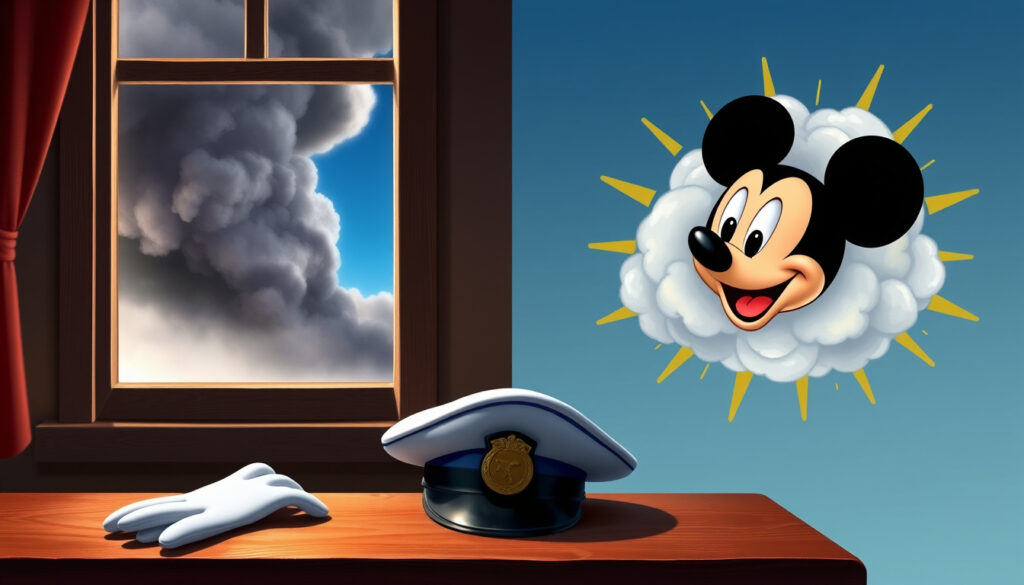
Donald Duck: Real Name, Temper, and Mickey Mouse Comparison
Few cartoon characters have left a mark as distinct as Donald Duck’s. With his explosive temper and garbled speech, he’s been a beloved foil to Mickey Mouse since the 1930s. But behind the sailor suit lies a surprisingly detailed biography – one that includes a full name, a draft card, and decades of cultural evolution. Here’s what the records actually say.
First appearance: June 9, 1934 (The Wise Little Hen) · Creator: Dick Lundy (animator), Walt Disney (studio) · Voice actor (primary): Clarence Nash (1934–1985) · Star on Hollywood Walk of Fame: 2005
Quick snapshot
- Full name: Donald Fauntleroy Duck (Hollywood Walk of Fame – official recognition)
- Mickey Mouse debuted in 1928, Donald in 1934 (ABC News affiliate; The Walt Disney Company – official studio)
- Clarence Nash was original voice actor (The Walt Disney Family Museum – institutional archive)
- Autism fan theory: no official Disney confirmation (Disney Fandom – community wiki)
- Exact birthday within canon varies; some materials cite June 9, others March 13 (Hollywood Walk of Fame)
- Whether the 1931 storybook mention of “Donald” counts as his first appearance or just a name reference remains ambiguous (The Walt Disney Company – official studio)
- The exact date of Donald Duck’s creation within the Disney studio is not publicly documented in archival records (Disney Fandom – community wiki)
- 1927: Oswald the Lucky Rabbit debuts (Wikipedia – community encyclopedia)
- 1928: Mickey Mouse in Steamboat Willie (ABC News affiliate)
- 1934: Donald Duck in The Wise Little Hen (The Walt Disney Company)
- 2005: Hollywood Walk of Fame star (Hollywood Walk of Fame)
- Donald Duck continues to appear in modern Disney media, including the DuckTales reboot and theme park attractions (Wikipedia)
Five key facts frame Donald Duck’s canonical identity:
| Attribute | Value |
|---|---|
| Debut date | June 9, 1934 |
| First film | The Wise Little Hen |
| Voice originator | Clarence Nash |
| Primary outfit | Sailor shirt, cap, red bow tie |
| Walk of Fame year | 2005 |
What is Donald Duck’s real name?
Full name within Disney canon
- Donald Duck’s full name is Donald Fauntleroy Duck, as recorded by the Hollywood Walk of Fame (official recognition site).
- The middle name Fauntleroy was first publicly used on his draft card in the 1942 short Donald Gets Drafted, according to the same source.
- The Walt Disney Company notes that the name “Donald” first appeared in print as early as the 1931 storybook The Adventures of Mickey Mouse (The Walt Disney Company – official studio).
Origin of the name ‘Donald Fauntleroy Duck’
- The draft-card reveal made the name canon, and it has been referenced in official materials ever since (Hollywood Walk of Fame).
- No other middle name or alias exists in Disney records.
Who came first, Mickey Mouse or Donald Duck?
Mickey Mouse debut: 1928
- Mickey Mouse made his first public appearance in Steamboat Willie on November 18, 1928 (ABC News affiliate).
- The Walt Disney Family Museum notes that Walt Disney himself once claimed a birthday of October 1, 1928, but later archivists determined the Steamboat Willie premiere is the milestone (The Walt Disney Family Museum – institutional archive).
Donald Duck debut: 1934
- Donald Duck first appeared in The Wise Little Hen on June 9, 1934 (The Walt Disney Company – official studio).
- He later returned in Orphan’s Benefit on August 11, 1934, establishing his role in the regular Disney cast (Wikipedia – community encyclopedia).
What is Donald Duck known for?
His explosive temper and distinctive voice
- The Disney Wiki describes Donald’s temper as “explosive,” setting him apart from the more placid Mickey Mouse (Disney Fandom – community wiki).
- That temper is voiced as indecipherable sputtering, created by Clarence Nash, the original voice actor from 1934 to 1985 (Hollywood Walk of Fame – official recognition).
- Nash’s performance made Donald’s anger both hilarious and iconic; the Walt Disney Family Museum says his debut was “built around his voice” (The Walt Disney Family Museum – institutional archive).
Iconic sailor outfit (no trousers)
- Donald’s trademark look is a white sailor shirt, cap, and red bow tie – but no trousers – as documented by the Walk of Fame (Hollywood Walk of Fame).
- This outfit, paired with a duck’s anatomy, made him instantly recognizable across media.
Long-running comic series by Carl Barks
- Starting in the 1940s, Donald Duck became the star of comic books, most famously drawn and written by Carl Barks (Wikipedia).
- Barks’ stories gave Donald a richer personality and introduced Scrooge McDuck, expanding the Duck universe.
For Disney’s marketing team, Donald’s temper was a goldmine: it made him more relatable than the perfectly polite Mickey, driving audience engagement through frustration and comedy.
What is Donald Duck’s catchphrase?
Unintelligible sputtering voice by Clarence Nash
- Donald’s catchphrases are inseparable from Nash’s vocal performance, which turned anger into signature sounds (Hollywood Walk of Fame).
- The sputtering made his lines both iconic and famously hard to understand – a trait that became a brand.
Most recognized lines
- According to the Disney Fandom, Donald’s recurring catchphrases include “Aw, phooey!” and “What’s the big idea?” (Disney Fandom – community wiki).
- When excited, he often shouts “Oh boy, oh boy, oh boy!”
- When confronting an antagonist, he exclaims “So!”
Is Donald Duck autistic?
Fan theory origins
- A persistent fan theory suggests Donald Duck may exhibit traits associated with autism spectrum disorder. However, this is entirely speculative and has never been confirmed by Disney.
- The Walt Disney Company and Disney Wiki do not label him as autistic (Disney Fandom – community wiki).
Commonly cited traits
- Fans point to his meltdowns, repetitive behaviors, and social difficulties as aligning with real-world descriptions of autistic experiences.
- No official character materials or creator statements support the theory.
While Disney has not commented, the fan theory persists partly because Donald’s behavior mirrors real-world autistic meltdowns – a reflection of changing awareness in media analysis.
Mickey Mouse vs. Donald Duck: Key Differences
Five attributes, one pattern: Mickey is the safe, consistent lead; Donald is the chaotic, relatable foil.
| Attribute | Mickey Mouse | Donald Duck |
|---|---|---|
| Debut year | 1928 (ABC News affiliate) | 1934 (The Walt Disney Company) |
| Personality | Cheerful, optimistic | Short-tempered, frustrated |
| Voice style | Clear, high-pitched | Garbled, sputtering |
| Clothing | Red shorts, yellow shoes | Sailor shirt, cap, no trousers |
| Relationship to audience | Role model | Everyman (with flaws) |
The implication: Disney built two contrasting archetypes – the ideal (Mickey) and the real (Donald) – ensuring the studio could appeal to both aspirational and comic sensibilities.
Disney Character Timeline
- 1927 – Oswald the Lucky Rabbit debuts (Disney’s first original character) (Wikipedia)
- 1928 – Mickey Mouse premieres in Steamboat Willie (ABC News affiliate)
- 1934 – Donald Duck debuts in The Wise Little Hen (The Walt Disney Company)
- 1934–1985 – Clarence Nash voices Donald Duck (Hollywood Walk of Fame)
- 2005 – Donald Duck receives star on Hollywood Walk of Fame (Hollywood Walk of Fame)
The pattern: Disney’s character family grew from a single 1927 rabbit to a full ensemble by 1934, with Donald filling the comedic-foil role that the studio needed.
What We Know and What We Don’t
Confirmed facts
- Donald Fauntleroy Duck is his full name (Hollywood Walk of Fame).
- Mickey Mouse debuted in 1928, Donald in 1934 (ABC News affiliate, The Walt Disney Company).
- Clarence Nash was first voice actor (Hollywood Walk of Fame).
- He received a Walk of Fame star in 2005 (Hollywood Walk of Fame).
What’s unclear
- Whether Donald Duck is autistic remains fan speculation, unconfirmed by Disney.
- His exact birthday within Disney canon varies; some materials cite June 9 (debut), others March 13 (Donald’s Happy Birthday).
- Whether the 1931 storybook mention of “Donald” constitutes his first appearance or a pre-draft name reference is not clarified by Disney.
- The studio’s internal records on Donald’s creation date have not been made public.
The trade-off: The known details are solidly recorded, but the character’s emotional depth leaves room for interpretation – especially around the autism theory.
Expert and Official Perspectives
“Donald Duck’s explosive temper set him apart from Mickey Mouse.”
— Disney Wiki (community wiki via Disney Fandom)
“He is a white anthropomorphic duck who usually wears a sailor shirt, cap, and a red bow tie, but no trousers.”
— Hollywood Walk of Fame (official recognition via walkoffame.com)
For Disney fans, the distinction between Mickey and Donald is not just about chronology but about personality archetypes: Donald remains the flawed, relatable character, while Mickey is the polished icon. That contrast keeps both relevant across generations. For collectors and new viewers, the key takeaway is that Donald Duck’s biography – full name, debut date, voice history – is surprisingly well-documented, even if the character’s inner life remains open to interpretation.
facebook.com, reddit.com, waltdisney.org, facebook.com, thedisneyclassics.com
For a deeper dive into Donald Duck’s real name, catchphrase, and surprising popularity in Finland, you can read more at Donald Ducks real name and catchphrase.
Frequently Asked Questions
What is Donald Duck’s full name?
Donald Fauntleroy Duck, as confirmed by the Hollywood Walk of Fame.
When did Donald Duck first appear?
June 9, 1934, in The Wise Little Hen.
Who voiced Donald Duck originally?
Clarence Nash, who voiced the character from 1934 to 1985.
What does Donald Duck typically wear?
A sailor shirt with a cap, a red bow tie, and no trousers.
Is Donald Duck related to Mickey Mouse?
No, they are separate characters created at different times. Mickey debuted in 1928, Donald in 1934.
Does Donald Duck have a catchphrase?
Yes, his most common lines include “Aw, phooey!”, “What’s the big idea?”, and “Oh boy, oh boy, oh boy!”
Why is Donald Duck’s voice hard to understand?
Because Clarence Nash designed it as sputtering, semi-intelligible speech to convey anger and frustration.
Related reading
More related posts
 Andrew Lincoln: Why He Left The Walking Dead & More
 Chace Crawford: Wife, Ex, Kids, Ethnicity, and Career
 Tony Armstrong: Relationship, Career & Latest News
 Chrishell Stause: Biography, Relationships and Net Worth
 Rita Hayworth: Biography, Cause of Death, Perfume, and Relationships
 Camila Mendes: Relationships, Ethnicity, and Career Guide
 Lewis Capaldi: Tourette’s, Career and Relationships
 Howard Lutnick: Net Worth, 9/11 & Trump Commerce Secretary
