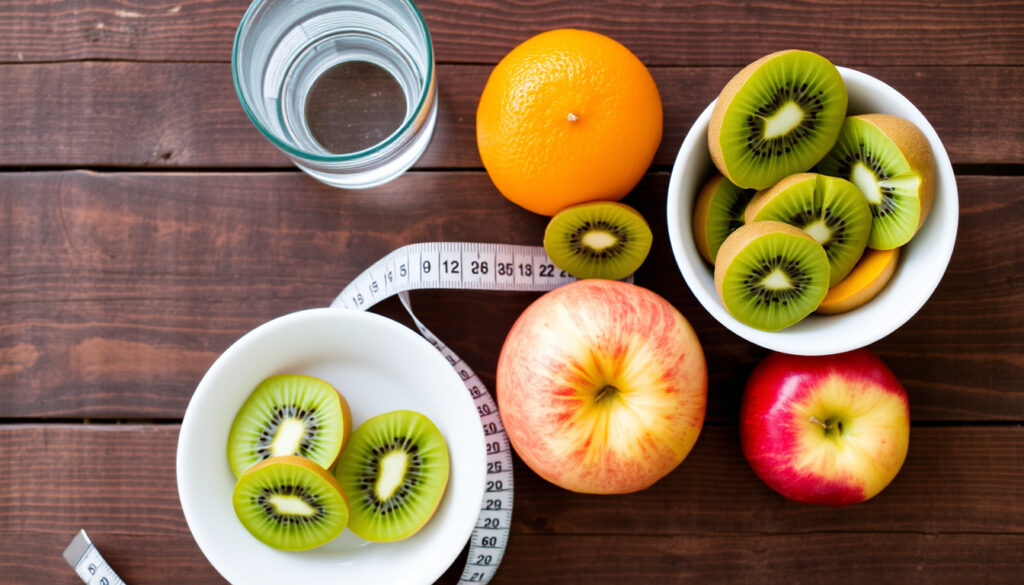
Kiwi Fruit: Benefits, Daily Intake, and Comparisons
Few fruits pack as much nutrition into such a small package as the kiwi, with its fuzzy brown exterior and vibrant green flesh delivering a surprising punch of vitamin C, fiber, and natural compounds that support digestion and even sleep — backed by peer‑reviewed research. Whether you’re comparing it to an apple or wondering when to eat it for the best effect, the answers below are grounded in solid science.
Daily value of vitamin C per kiwi: 83% · Fiber per kiwi: 2.1 g · Calories per medium kiwi: 42 · Serving size for daily recommendation: 1–2 fruits · Potassium per kiwi: 215 mg
Quick snapshot
- 83% DV per fruit (Healthline (health publisher))
- Supports immune function (PMC review (peer‑reviewed journal))
- Collagen production aid (WebMD (medical information site))
- Actinidin enzyme (PMC review (peer‑reviewed journal))
- 2.1 g fiber per fruit (Healthline (health publisher))
- Helps break down protein (PMC review (peer‑reviewed journal))
- Potassium content (WebMD (medical information site)) (WebMD ingredients page)
- Antioxidants reduce oxidative stress (PMC review (peer‑reviewed journal)) (WebMD ingredients page)
- May lower blood pressure (WebMD ingredients page)
- Natural serotonin source (PMC review (peer‑reviewed journal))
- May improve sleep onset (PMC review (peer‑reviewed journal))
- Helpful for mild insomnia (PMC review (peer‑reviewed journal))
Here are the core facts about the kiwi fruit itself — from its scientific name to seasonality and weight.
| Attribute | Value |
|---|---|
| Scientific name | Actinidia deliciosa |
| Average weight | 70 g (medium fruit) |
| Primary growing regions | New Zealand, Italy, Chile, China |
| Peak season | November to May (Northern Hemisphere) |
| Skin edibility | Yes, but many prefer to peel |
What are the benefits of eating kiwi?
Nutritional profile of kiwi
- One medium kiwi (about 70 g) provides roughly 83% of the daily value for vitamin C, according to Healthline (health publisher). The same fruit delivers 2.1 g of fiber and 215 mg of potassium (PMC review (peer‑reviewed journal)).
- Kiwi also contains vitamin K, vitamin E, folate, and a variety of polyphenol antioxidants (PMC review (peer‑reviewed journal)).
Key health benefits supported by research
- Immune function: The high vitamin C content supports immune cells and collagen synthesis (WebMD (medical information site)).
- Digestive health: The combination of soluble and insoluble fibre, polyphenols, and the enzyme actinidin is thought to drive gastrointestinal benefits (PMC review (peer‑reviewed journal)).
- Cardiovascular: Potassium and antioxidants may help lower blood pressure and reduce oxidative stress (WebMD ingredients page).
- Sleep: Kiwi is one of the few fruits that naturally contains serotonin, and some evidence suggests it may improve sleep onset (PMC review (peer‑reviewed journal)).
The average adult in Western diets falls short on vitamin C and fiber. A single kiwi covers the entire daily vitamin C target — something no other common fruit does in one serving.
The implication: Kiwi’s unique enzyme and fiber profile sets it apart from many fruits for digestive and metabolic health, especially for those who struggle with regularity or immunity.
How many kiwis should you eat a day?
General daily serving guidelines
- Most health authorities and research suggest 1–2 kiwis per day as a safe and beneficial intake (PMC review (peer‑reviewed journal)).
- A study cited by WebMD reported that eating two kiwis daily for four weeks increased bowel movement frequency in people with constipation (WebMD ingredients page).
- Another study found that three kiwis per day for eight weeks reduced blood pressure more than one apple per day in people with hypertension (WebMD ingredients page).
Considerations for special diets
- People with diabetes can safely include kiwi because of its low glycaemic index (Zespri (kiwi producer nutrition guidance)).
- For those on blood‑thinning medications (e.g., warfarin), the vitamin K content of kiwi should be accounted for — though one to two kiwi per day is generally acceptable (WebMD ingredients page).
- Excessive intake may cause digestive discomfort due to the fiber and actinidin (PMC review (peer‑reviewed journal)).
The trade‑off: More kiwi isn’t always better — the body can only absorb so much vitamin C at once, and high fiber loads can cause bloating. Stick to 1–2 unless a healthcare provider advises otherwise.
What is healthier, a kiwi or an apple?
Comparative nutrient density
- Per 100 g, kiwi contains about 92 mg of vitamin C, while an apple of the same weight provides roughly 4.6 mg (Healthline (health publisher)). Kiwi also delivers more potassium (312 mg vs. 107 mg per 100 g) (PMC review (peer‑reviewed journal)).
- Apples are richer in quercetin and other flavonoids that support cardiovascular health (Apple and Pear Australia Limited (industry research body)).
Fiber content and sugar levels
- A medium apple (182 g) provides about 4.4 g of fiber (mostly pectin), while a medium kiwi (70 g) gives 2.1 g (Mayo Clinic Health System (leading US medical institution)).
- Both have a low glycaemic index: apple’s GI is around 36, kiwi’s around 39 (Zespri (kiwi producer nutrition guidance)).
- Total sugar is comparable: kiwi has about 9 g per 100 g, apple about 10 g (Healthline (health publisher)).
Practical dietary roles
- Kiwi excels as a vitamin C and potassium powerhouse — ideal for immune support, blood pressure management, and digestive regularity (Health.com (lifestyle health publisher)).
- Apple’s advantage is its portability, higher soluble fiber (which aids satiety), and flavonoid content (Mayo Clinic Health System (leading US medical institution)).
Here’s a quick head‑to‑head comparison — the pattern is clear: kiwi leads on micronutrients, apple leads on fiber volume.
| Nutrient (per 100 g) | Kiwi | Apple (with skin) |
|---|---|---|
| Vitamin C | 92 mg | 4.6 mg |
| Potassium | 312 mg | 107 mg |
| Dietary fiber | 3.0 g | 2.4 g |
| Calories | 61 kcal | 52 kcal |
| Glycaemic index | ~39 | ~36 |
| Key bioactive | Actinidin, serotonin | Quercetin, pectin |
Sales of kiwi lag far behind apples, yet kiwi delivers up to 20 times the vitamin C per gram. The convenience of an apple (no peeling, no fuzz) seems to outweigh the nutritional gap.
The pattern: Kiwi is a micronutrient specialist; apple is a versatile staple. Neither is “better” — the right choice depends on what your diet needs most.
When should you eat a kiwi fruit?
Eating kiwi on an empty stomach
- The actinidin enzyme in kiwi may help digest protein when eaten alone, making early morning a good time (Zespri (kiwi producer nutrition guidance)).
- For those with sensitive stomachs, the acidity of the fruit can cause mild irritation; starting with a small amount is wise (PMC review (peer‑reviewed journal)).
Kiwi for sleep
- Consuming kiwi 1–2 hours before bed may improve sleep onset and duration due to its natural serotonin content (PMC review (peer‑reviewed journal)).
- Some small trials suggest two kiwis an hour before bed can shorten the time it takes to fall asleep (PMC review (peer‑reviewed journal)).
Kiwi for pre‑workout energy
- Kiwi’s natural sugars (about 9 g per 100 g) and vitamin C make it a good pre‑workout snack, especially when paired with a source of protein (WebMD (medical information site)).
- Its high potassium content also helps support muscle function and prevent cramps (PMC review (peer‑reviewed journal)).
The catch: Timing matters less than consistency. Eating one to two kiwis at a regular time each day is more impactful than worrying about the perfect hour.
What not to mix with kiwi?
Potential interactions with medications
- Kiwi contains vitamin K, which can reduce the effect of blood‑thinning medications like warfarin. A consistent intake (1–2 per day) is usually fine, but sudden large increases should be discussed with a doctor (WebMD ingredients page).
- There’s no evidence of major drug interactions beyond vitamin K, but anyone on medication should maintain a consistent diet (PMC review (peer‑reviewed journal)).
Foods that may cause digestive issues
- Mixing kiwi with dairy (milk, yogurt) can cause the milk to thicken or curdle due to the actinidin enzyme — this is more about texture than safety, but some people find it unappealing (Health.com (lifestyle health publisher)).
- No dangerous food pairings are known, but very high‑fiber meals combined with kiwi may exacerbate bloating in sensitive individuals (PMC review (peer‑reviewed journal)).
The trade‑off: Kiwi’s actinidin is great for digestion in general, but it can change the texture of dairy — a small price for an otherwise versatile fruit.
Clarity check
Confirmed facts
- Kiwi contains more vitamin C per gram than oranges (Healthline)
- Eating 1–2 kiwis daily is safe for most adults (PMC review)
- Actinidin enzyme aids protein digestion (PMC review)
- Two kiwis daily increased bowel frequency in constipation (WebMD)
- Three kiwis daily for 8 weeks lowered blood pressure more than one apple (WebMD)
What’s unclear
- Long‑term effects of extremely high kiwi consumption (≥5 per day) have not been studied
- Direct causal link between kiwi and major disease prevention, independent of overall diet, remains unproven
- Optimal timing for sleep benefits — exact dose and window need more replication
- The exact mechanism by which kiwi improves sleep is not fully understood
- The long‑term safety of consuming kiwi skin is not well studied
“Kiwi is one of the most nutrient‑dense fruits you can eat, especially for vitamin C and potassium, and the fiber‑enzyme combo is unusual.” — Health.com
“If you have a sensitive stomach, starting the day with a kiwi on an empty stomach can be a gentle way to activate your digestive system.” — Zespri nutrition guidance
“Apples with skin are a great source of fiber and polyphenols, but for a vitamin C boost, nothing beats a kiwi.” — Mayo Clinic Health System
“The evidence for kiwi as a sleep aid is promising, but we need more large‑scale trials before making strong recommendations.” — PMC review authors
Upsides and downsides of kiwi
Upsides
- Excellent source of vitamin C (one fruit meets daily needs)
- Contains the digestive enzyme actinidin, rare in fruits
- Low glycaemic index — suitable for blood sugar control
- Natural source of serotonin for sleep support
- High potassium helps regulate blood pressure
Downsides
- Fuzzy skin texture deters many people
- Actinidin can curdle dairy if mixed
- High intake may cause mild digestive upset
- Less portable than an apple or banana
- Price per pound is higher than many common fruits
For anyone looking to level up their daily fruit intake with minimal calories and maximum nutrients, kiwi is a clear contender. The choice is no longer between apple and orange — it’s between apple and kiwi, and the data leans strongly toward the green berry.
Kiwi is not a miracle food, but it is the most practical way to get a full day’s vitamin C in a single serving. For the average consumer, swapping one apple for one kiwi three times a week would close a significant micronutrient gap.
Is kiwi fruit good for weight loss?
Yes, because it’s low in calories (about 42 per medium kiwi) and high in fiber, which promotes satiety. The actinidin enzyme may also help with protein digestion and metabolic efficiency. (WebMD)
Can you eat kiwi skin?
Yes, the skin is edible and contains additional fiber and vitamin C. However, the fuzzy texture can be off‑putting; washing thoroughly and rubbing off the fuzz can make it more palatable. (Healthline)
Does kiwi help with constipation?
Yes. The combination of soluble and insoluble fiber plus the actinidin enzyme has been shown to increase stool frequency and improve intestinal comfort. Studies report benefits with two kiwis daily. (PMC review)
Is kiwi safe during pregnancy?
Generally yes, in moderate amounts (1–2 per day). Kiwi provides folate and vitamin C, which are important for pregnancy. However, some women with gestational diabetes should monitor fruit intake; consult a doctor. (WebMD)
Can kiwi be eaten by diabetics?
Yes, due to its low glycaemic index and reasonable sugar content. The fiber also helps slow glucose absorption. Pairing with a protein or fat (e.g., nuts) further stabilizes blood sugar. (Zespri)
How do you store kiwi to keep it fresh?
Kiwi should be stored at room temperature until ripe, then moved to the refrigerator for up to two weeks. Keep away from ethylene‑producing fruits (like apples) to avoid over‑ripening. (Health.com)
Does kiwi prevent colds?
While kiwi is rich in vitamin C, which supports immune function, no fruit can “prevent” colds. Regular consumption may reduce the duration or severity of symptoms, but it’s not a substitute for vaccination or hygiene. (PMC review)
Are golden kiwis different from green kiwis?
Yes. Golden (yellow‑fleshed) kiwis have a smoother skin, sweeter taste, and lower acidity. They contain less actinidin and fiber but still offer high vitamin C. Both are nutritious, but green kiwi is better for digestive benefits. (Healthline)
For those curious about how to incorporate this fuzzy fruit into their diet, more on kiwi fruit benefits and intake offers a detailed breakdown of daily serving sizes and optimal timing.
More related posts
 Adelaide Test 2025 – Schedule, Teams, Tickets Guide
 AI Chatbot Guide: Free, Legal, and Best Options
 Dwight Howard: Career, Retirement & Legal Issues
 Atom Eve: Powers, Relationships, and Origins Explained
 Palmer Luckey: Net Worth, Biography, Anduril & Controversies
 Jack Howarth: Actor vs Rugby Player – Nationality, Age, Career
 Jacob Bethell Injury: What Happened to His IPL 2026 Season
 What Is Today’s Wordle? Answer & Hints for #1779 May 3
