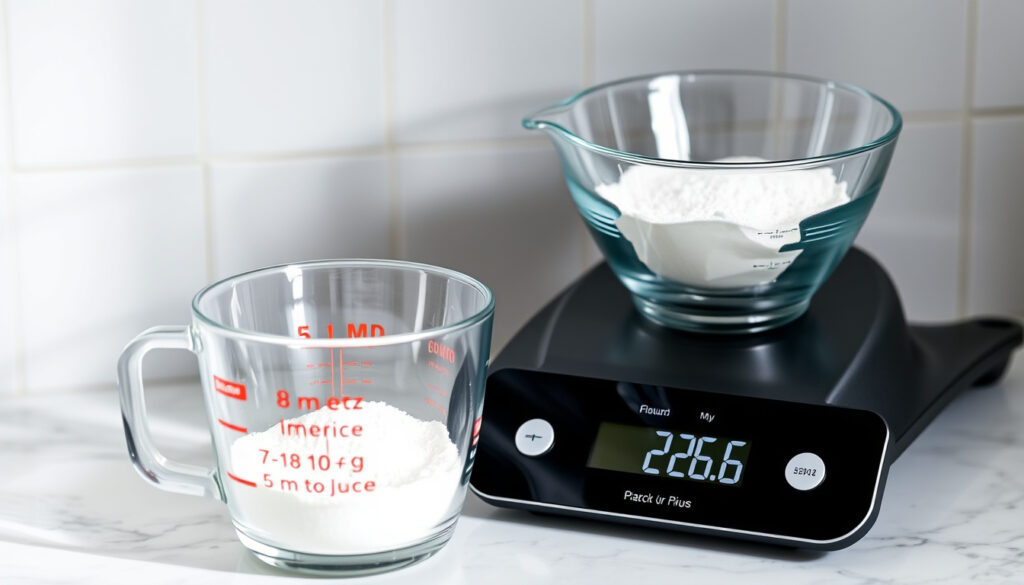
8oz to Grams – Exact 226.8g Conversion Guide
Converting 8 ounces to grams requires understanding which type of ounce you are measuring. The avoirdupois ounce, the standard for most everyday weights in the United States, converts to 226.796185 grams when measured precisely. This distinction matters because different ounce systems yield different results.
Whether you are measuring ingredients for a recipe, calculating shipping weights, or working on a science project, accuracy matters. The most common source of confusion lies in mixing up weight ounces with fluid ounces, which measure entirely different properties. Understanding the exact conversion factor helps avoid costly errors in both cooking and commercial applications.
This guide covers the precise conversion, the formula for calculating any ounce amount, ingredient-specific conversions, and common myths that lead people astray. Each section draws from verified conversion standards to ensure you have reliable information at every step.
How Many Grams Are in 8 Ounces?
Eight avoirdupois ounces equal exactly 226.796185 grams. This value stems from the official definition of the avoirdupois ounce as precisely 28.349523125 grams. Multiplying this factor by eight produces the exact result. Most practical applications round this to 226.8 grams for convenience, though the precise figure matters when accuracy is critical.
- Exact: 226.796185 grams
- Rounded: 226.8 g or 227 g
- US vs UK oz: Both use the avoirdupois system
- Volume caveat: Fluid ounces (fl oz) measure volume, not weight
The avoirdupois system serves as the official weight standard in the United States and is defined by international agreement as exactly 28.349523125 grams per ounce. This system differs from the troy ounce used for precious metals, which weighs 31.1034768 grams per ounce. Using the wrong ounce type introduces roughly a 10% error into your calculations.
Key insights about the conversion include the exact conversion factor of 28.349523125 grams per ounce, practical rounding to 226.8 grams for cooking applications, clear distinction between weight and volume measurements, awareness that the troy ounce yields approximately 249 grams for the same 8-ounce quantity, and recognition that fluid ounces cannot be directly converted to grams without knowing the substance density.
| Unit Type | Grams per Ounce | 8 Ounces in Grams |
|---|---|---|
| Avoirdupois (standard) | 28.349523125 | 226.796185 |
| Troy (precious metals) | 31.1034768 | 248.8278144 |
How to Convert Ounces to Grams (Formula and Steps)
The conversion formula follows a straightforward multiplication: grams equals ounces multiplied by 28.349523125. This single factor accounts for the entire conversion from the avoirdupois system. For quick estimates, multiplying by 28.35 works adequately in most non-precision situations.
The Basic Formula
To convert any weight from ounces to grams, apply this formula: weight in grams = weight in ounces × 28.349523125. This works for any ounce amount within the avoirdupois system. The factor itself derives from the official definition of the avoirdupois pound as exactly 0.45359237 kilograms.
Step-by-Step Conversion
First, identify your ounce amount. Second, multiply by the conversion factor of 28.349523125. Third, round your result to the desired precision level. For example, converting 8 ounces requires simply multiplying 8 by 28.349523125 to obtain 226.796185 grams.
For most cooking purposes, rounding to 226.8 grams provides sufficient accuracy. Scientific applications or pharmaceutical measurements require the full precision value. When working with multiple conversions, keeping the factor to five decimal places (28.34952) balances precision with practical usability.
The distinction between avoirdupois and troy ounces trips up many people. One avoirdupois ounce equals approximately 0.911458 troy ounces, meaning troy ounces weigh about 10% more. Always verify which ounce system applies to your specific measurement situation before converting.
Understanding Ounce Types and When Each Applies
Three distinct ounce systems exist in regular use, each serving different purposes. The avoirdupois ounce applies to most everyday items including food, postal packages, and general commerce. The troy ounce governs precious metals like gold, silver, and platinum. The fluid ounce measures liquid volume in both US and UK systems.
Mixing these systems creates the most common conversion errors. When a recipe calls for 8 ounces of flour, it typically means weight unless specified otherwise. When a bottle shows 8 fluid ounces, it indicates volume. These represent fundamentally different measurements that cannot be interchanged without additional information about substance density.
Why the Difference Matters
Using the wrong ounce type produces significant errors. Converting 8 troy ounces to avoirdupois grams yields approximately 249 grams rather than the expected 227 grams. In contexts involving precious metals, this difference represents substantial monetary value. For cooking, similar confusion leads to recipe failures when ingredient proportions go awry.
8 oz of Common Ingredients in Grams
Converting 8 ounces of specific ingredients to grams requires knowing the density of each substance. Pure water serves as the baseline reference: 8 fluid ounces of water weighs approximately 236.6 grams because water’s density is 1.00 g/mL. Other ingredients vary based on their specific densities and how they pack together.
Volume Versus Weight for Common Substances
When converting fluid ounces to grams, the calculation follows this formula: mass equals volume in fluid ounces multiplied by 29.5735 multiplied by the substance density. For water, this produces 8 × 29.5735 × 1.00, which equals approximately 236.6 grams. Dense ingredients like butter yield higher gram values per fluid ounce, while loosely packed flour produces lower values.
| Substance | Density (g/mL) | 8 fl oz in Grams (est.) |
|---|---|---|
| Water | 1.00 | 236.6 |
| All-purpose flour | Varies by packing | Requires measurement |
| Butter | Approximately 0.91 | Requires measurement |
| Granulated sugar | Approximately 0.85 | Requires measurement |
Precise densities for flour, butter, and chicken were not available in standard reference sources. Those converting 8 fluid ounces of these ingredients to grams should use a kitchen scale for accuracy. Packing method, temperature, and moisture content all affect the final weight significantly.
For dry ounces (weight measurement), 8 ounces of any ingredient converts directly using the standard factor of 28.349523125 grams per ounce. A kitchen scale measuring 8 weight ounces of flour, butter, or chicken registers at approximately 226.8 grams regardless of the ingredient type.
Practical Tips for Recipe Conversions
Most professional recipes specify ingredients by weight rather than volume for this reason. When converting recipes, weighing ingredients provides consistent results while measuring by volume introduces variability. Digital kitchen scales that display both ounces and grams offer the most straightforward path to accurate conversions.
8 oz vs. 250 Grams: Common Conversion Myths
The belief that 8 ounces equals 250 grams persists widely despite being incorrect for standard weight measurements. The actual value of 226.8 grams differs by approximately 23 grams, or about 10% of the total. This discrepancy matters significantly in scientific, medical, and commercial applications where precision standards apply.
Where the Myth Originates
The 250-gram figure likely stems from rough approximations used in certain countries adopting metric approximations. Some shipping and commercial contexts round conversions to simpler numbers for quick mental calculations. Recipe developers sometimes use 250 grams as an approximation for 8 ounces when precision is less critical for the final result.
For the most accurate cooking and baking results, use 226.8 grams when a recipe calls for 8 ounces. Reserve 250 grams for situations where approximate measurements suffice. Scientific, pharmaceutical, and commercial applications demand the exact figure of 226.796185 grams.
Is 8 oz 250 g?
No, 8 ounces does not equal 250 grams under the avoirdupois system. The precise conversion yields 226.796185 grams. Rounding to practical figures produces 226.8 grams or 227 grams depending on the precision level required. The difference of roughly 23 grams accumulates quickly when scaling recipes or calculating shipping weights. For an exact conversion of 8 ounces to grams, check out this handy 8oz in Gramm Umrechnung. 8oz in Gramm Umrechnung
8 oz to ml
Converting 8 ounces to milliliters requires distinguishing between weight ounces and fluid ounces. Eight US fluid ounces equal approximately 236.6 milliliters. Eight weight ounces cannot convert directly to milliliters since that would mix weight and volume units without knowing the substance density.
Certainty and Uncertainty in Ounce Conversions
Established facts about ounce conversions include the exact avoirdupois conversion factor of 28.349523125 grams per ounce, producing 226.796185 grams for 8 ounces. The troy ounce conversion to grams is equally well-established at 31.1034768 grams per ounce, yielding 248.8278144 grams for 8 troy ounces. The fluid ounce conversion factor of 29.5735 milliliters per US fluid ounce is also firmly defined.
Areas requiring external verification include precise densities for specific ingredients like flour, butter, and chicken when converting volume measurements. Different sources may list density ranges rather than exact figures for these substances. Temperature and atmospheric pressure have minor effects on density that matter only in highly precise applications.
| Established Information | Requires Additional Verification |
|---|---|
| 8 oz av = 226.796185 g (exact) | Precise densities for flour, butter, chicken |
| 8 oz tr = 248.8278144 g (exact) | Effects of temperature on density |
| 1 US fl oz = 29.5735 mL | Packing variations in dry ingredients |
| Water density = 1.00 g/mL (at 4°C) | Altitude effects on volume measurements |
When to Use Each Conversion Type
Cooking and baking applications benefit most from weight-based conversions using the avoirdupois factor. Professional kitchens increasingly use metric weights for consistency, requiring conversion from common ounce measurements. Recipe scaling demands particular attention to conversion accuracy because small percentage errors compound at larger quantities.
Shipping and logistics industries rely on avoirdupois weight conversions for package rates and customs declarations. International shipping requires converting between US ounce measurements and metric gram or kilogram charges. Postal services, freight carriers, and customs authorities all specify charges in metric units but accept US weight measurements.
Common Conversion Pitfalls
The most frequent error involves treating fluid ounces as equivalent to weight ounces. A fluid ounce of water weighs about 29.57 grams, while a weight ounce of water equals 28.35 grams. These values differ enough to cause recipe failures or inaccurate shipping calculations when confused.
Another common mistake uses troy ounce conversions for everyday items. Jewelers use troy ounces for gold and silver because this system originated with medieval weighing practices for precious metals. Applying troy conversions to food or shipping weights overestimates quantities by approximately 10%.
Official Sources and Conversion Standards
The conversion factor of 28.349523125 grams per avoirdupois ounce traces to the international agreement defining the avoirdupois pound as exactly 0.45359237 kilograms. This standard flows from the National Institute of Standards and Technology in the United States and equivalent bodies worldwide. Every calculation in this guide derives from this foundational definition.
Multiple online conversion calculators and reference sites confirm the same values with consistent precision. The metric system connections through the International System of Units provide additional verification paths. Conversion.org and Calculator.net both offer authoritative calculations matching the figures presented here.
Precious metal conversions rely on the troy ounce definition maintained by organizations including the World Gold Council and various precious metals exchanges. Food density data typically originates from USDA agricultural databases or equivalent national sources. When precision matters, consulting primary sources ensures accuracy.
Summary
Eight avoirdupois ounces convert to exactly 226.796185 grams using the official conversion factor of 28.349523125 grams per ounce. This value rounds to 226.8 grams for most practical applications, though scientific and commercial contexts may require full precision. Understanding the distinction between weight ounces and fluid ounces prevents the most common conversion errors.
Different ounce types exist for different purposes: avoirdupois for general weight, troy for precious metals, and fluid for volume. Confusing these systems introduces roughly 10% errors into calculations. Always verify which ounce type applies before converting measurements. A kitchen scale measuring in both systems eliminates guesswork entirely.
For further conversion needs, familiarizing yourself with related metric and imperial conversions builds a practical toolkit for international cooking, shipping, or scientific work. Bookmarking reliable conversion resources ensures quick access when measurements arise in everyday situations.
Frequently Asked Questions
Is 8 oz exactly 250 grams?
No. Eight avoirdupois ounces equal 226.796185 grams, which rounds to approximately 226.8 grams. The 250-gram figure overestimates by roughly 23 grams, or about 10%. Always use 226.8 grams for accurate conversions.
How many grams are in a fluid ounce?
Fluid ounces measure volume, not mass, so grams depend on the substance density. For water, one US fluid ounce (29.5735 mL) weighs approximately 29.57 grams. Dense substances weigh more, lighter substances weigh less per fluid ounce.
What is 8 oz of gold in grams?
Gold uses the troy ounce system. Eight troy ounces of gold equal 248.8278144 grams, or approximately 249 grams. This differs significantly from avoirdupois weight because troy ounces weigh about 10% more.
How do I convert ounces to grams without a calculator?
Multiply your ounce value by 28.35 for a quick approximation. Eight ounces times 28.35 equals 226.8 grams. This approximation works for most cooking situations where exact precision is unnecessary.
What is the difference between avoirdupois and troy ounces?
Avoirdupois ounces weigh 28.35 grams and apply to everyday items. Troy ounces weigh 31.10 grams and apply to precious metals. One avoirdupois ounce equals approximately 0.911 troy ounces.
Why do different ingredients have different gram weights for the same volume?
Density varies by substance. Eight fluid ounces of water weighs 236.6 grams, while butter or flour weighs differently because their densities differ. Granulated sugar, packed flour, and chopped chicken all occupy the same volume but have different masses.
Is the conversion the same in the UK and US?
Both countries use the avoirdupois system for weight ounces, so the conversion remains identical at 28.35 grams per ounce. The US fluid ounce differs slightly from the UK fluid ounce by about 4%, but weight ounces match exactly.
More related posts
 Funtopia Carrum Downs – Hours, Prices, Activities Guide
 Bert Kreischer: Joe Rogan Rift, Health, Sobriety, Net Worth
 Daniel Davis: The Nanny Actor’s Career and YouTube Channel
 Jim Henson: Cause of Death, LGBTQ Support, and Lasting Legacy
 Ben Ainsworth: Why He Left Gold Coast, Position, Stats & Career
 Central Western Daily – Guide to Orange News, Notices and Archives
 Anthony Edwards: Injury, Stats, Height, Contract, and Biography
 When Is Thanksgiving 2025 – November 27 Thursday
